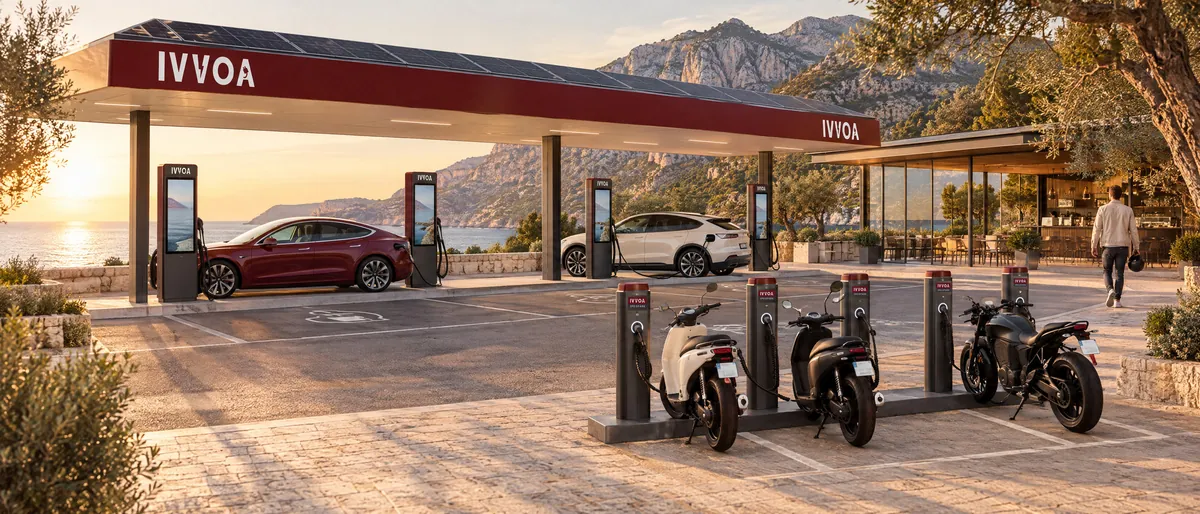
Built for two wheels.
The electric scooter, the electric bicycle, the electric moped and the electric motorcycle are the most electrified vehicles in the world, and in Türkiye more than a fifth of everything on the road. Almost nothing in the charging network is built for them. Spark is.
7,608,433
Motorcycles on Türkiye’s roads, 21.8% of all registered vehicles
Source: TÜİK, as of August 2026
34%
Electric share of motorcycles and mopeds sold in Türkiye in 2025, the highest on record
Source: MOTED, as of April 2026
Largest in Europe
Türkiye’s place among European markets for electric two wheelers, with more than a third of Europe’s sales
Source: IEA, Global EV Outlook 2026
563,170
Motorcycles in Antalya, more than any province except Istanbul
Source: TÜİK, as of August 2026
Spark came from looking at the road.
When we began planning IVVOA, two wheelers were not in the plan. We were thinking about cars, about highways, about the Hub. Then we looked at what actually moves through a Turkish city at eight in the morning. The courier with a box on the back. The student on a scooter. The shopkeeper on a moped. The family on a motorcycle in a coastal town. One vehicle in five on Türkiye’s roads has two wheels. In August this year, almost one in two new vehicles registered in the country had two wheels. And nobody is building charging for them.
Spark is our answer. It is not a side project and not a smaller version of what we do for cars. It is a network designed around a different vehicle and a different habit: a small battery, a short trip, a stop measured in hours of work or study rather than kilometers of highway. It carries the same promise as everything IVVOA builds: the rate shown before you plug in, an allowance stated in kilowatt-hours, clean energy you can see, and a point that works when you arrive. Every rider deserves a place to charge that was built for them. That is what Spark is for.
SignedProf. Bassem KhafagyFounder and Chief Executive Officer
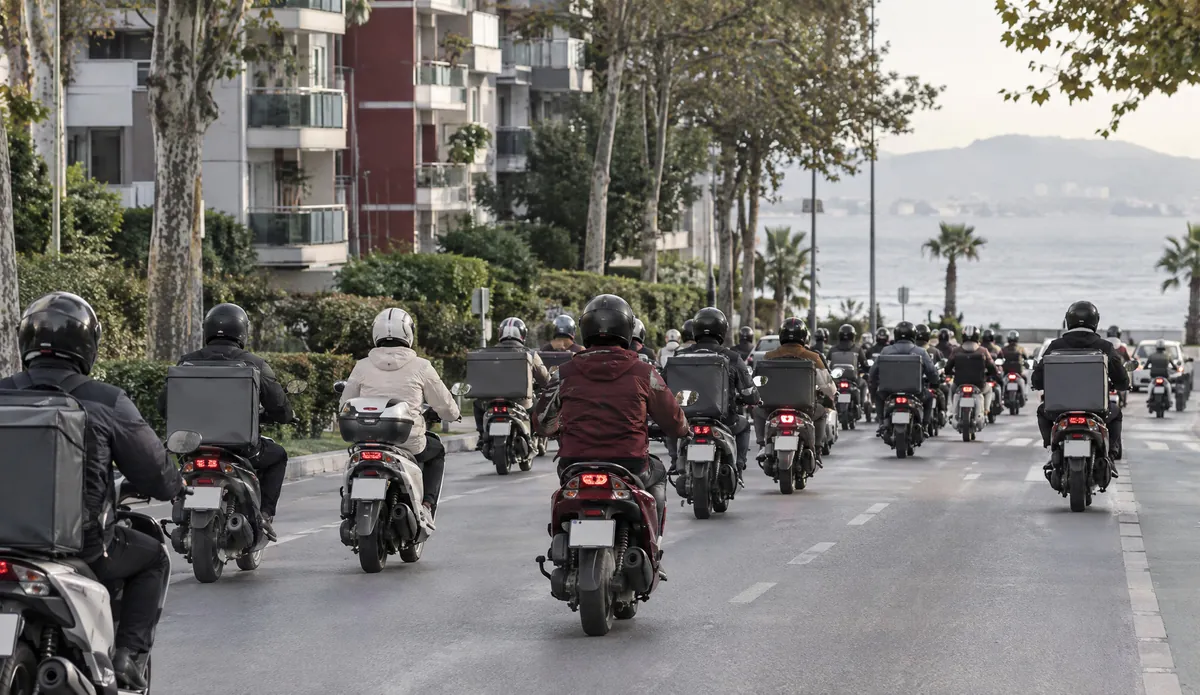
A network sized for two wheels.
A bicycle or kick scooter carries about half a kilowatt-hour of battery, a moped about two, a motorcycle between four and fifteen; a car carries about sixty. Most two wheelers charge through their own small onboard charger. What they need from a public point is not power but place: a safe, weatherproof, metered socket where they already stop, with somewhere to lock the vehicle while it charges. Every Spark point is metered, networked and visible in the IVVOA app with its live state and its rate, like every other IVVOA charger. Spark charges vehicles; it does not rent them. Shared scooter operators, rental shops and delivery fleets are its customers and hosts.
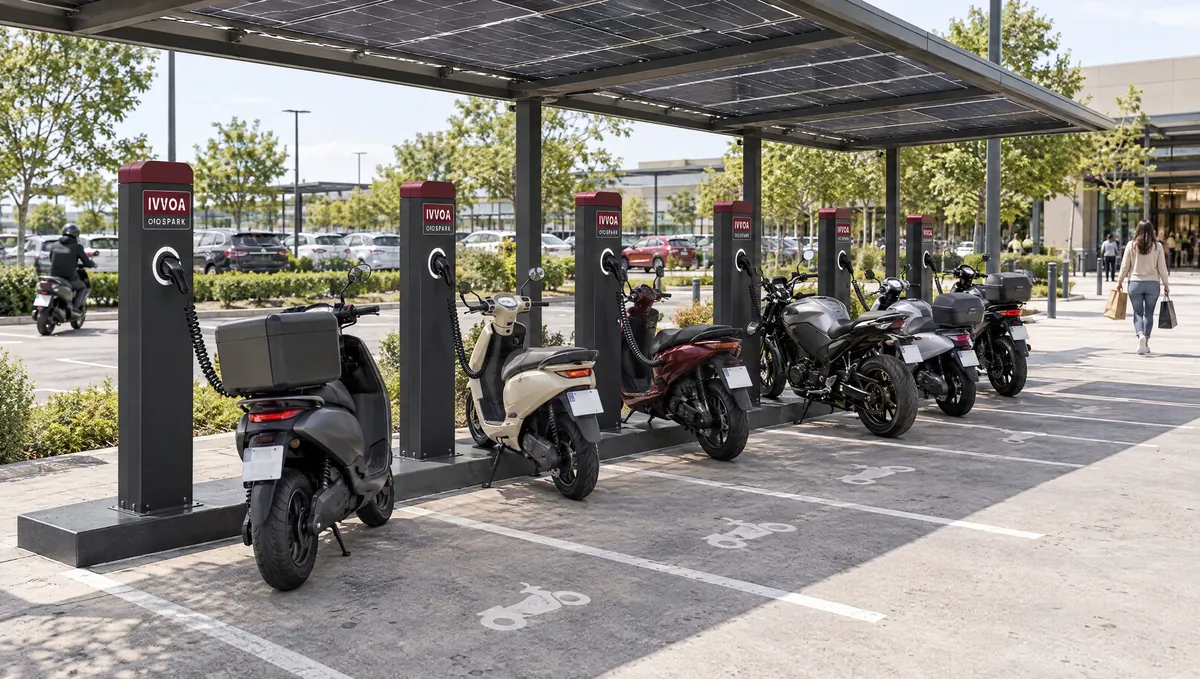
Rails, posts, docks and, in time, exchange.
- Rail
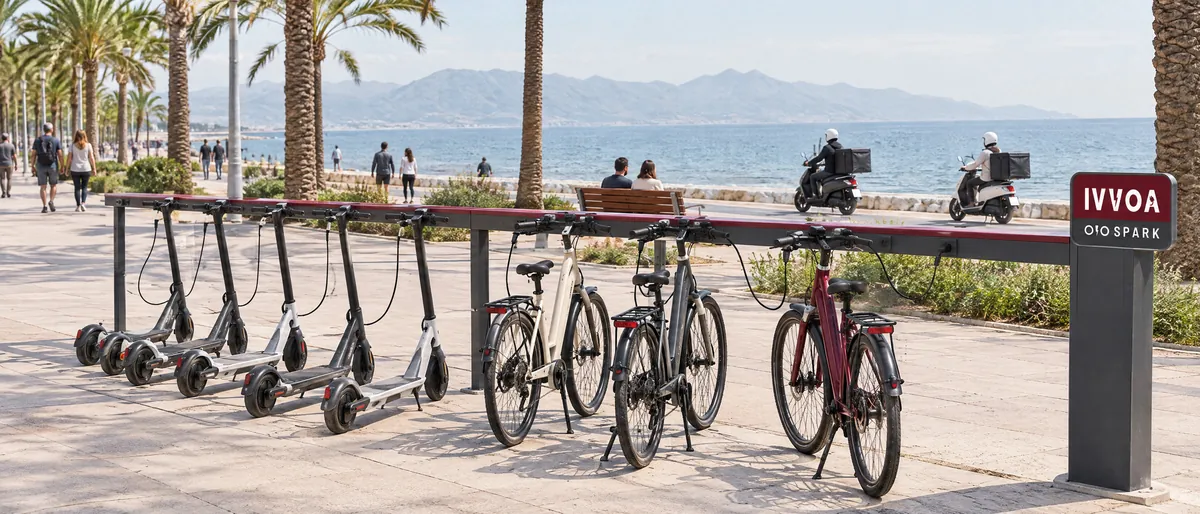
- For electric kick scooters and bicycles, personal or shared. A graphite rail with a burgundy top and the badge on the end post, on promenades, boulevards, old quarters, transit stops and campus paths. Minutes to hours.
- Post
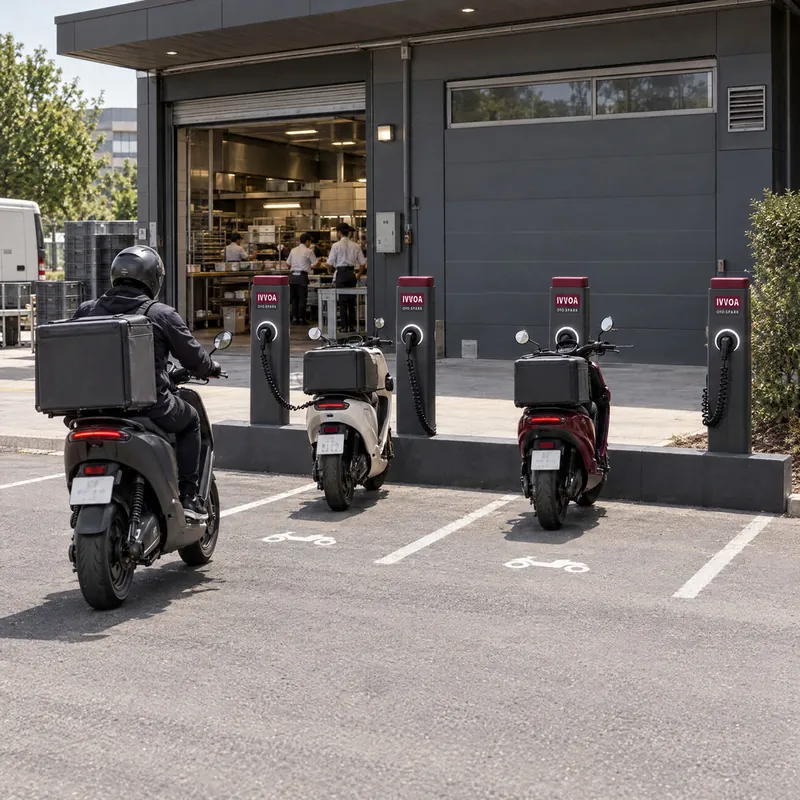
- For electric mopeds, motor scooters and motorcycles. A rounded graphite post with a burgundy cap and the badge on the cap, on streets, residential sites, workplaces and IVVOA forecourts. One to four hours.
- Dock
- Four to eight points on one supply and one foundation, under solar where there is a roof, at shopping centers, campuses, hotels, residential compounds and delivery hubs. The fastest IVVOA format to commission.
- Forecourt bay
- Motorcycles and bicycles charging beside the cars at IVVOA stations and Hubs, for the length of a break.
- Exchange
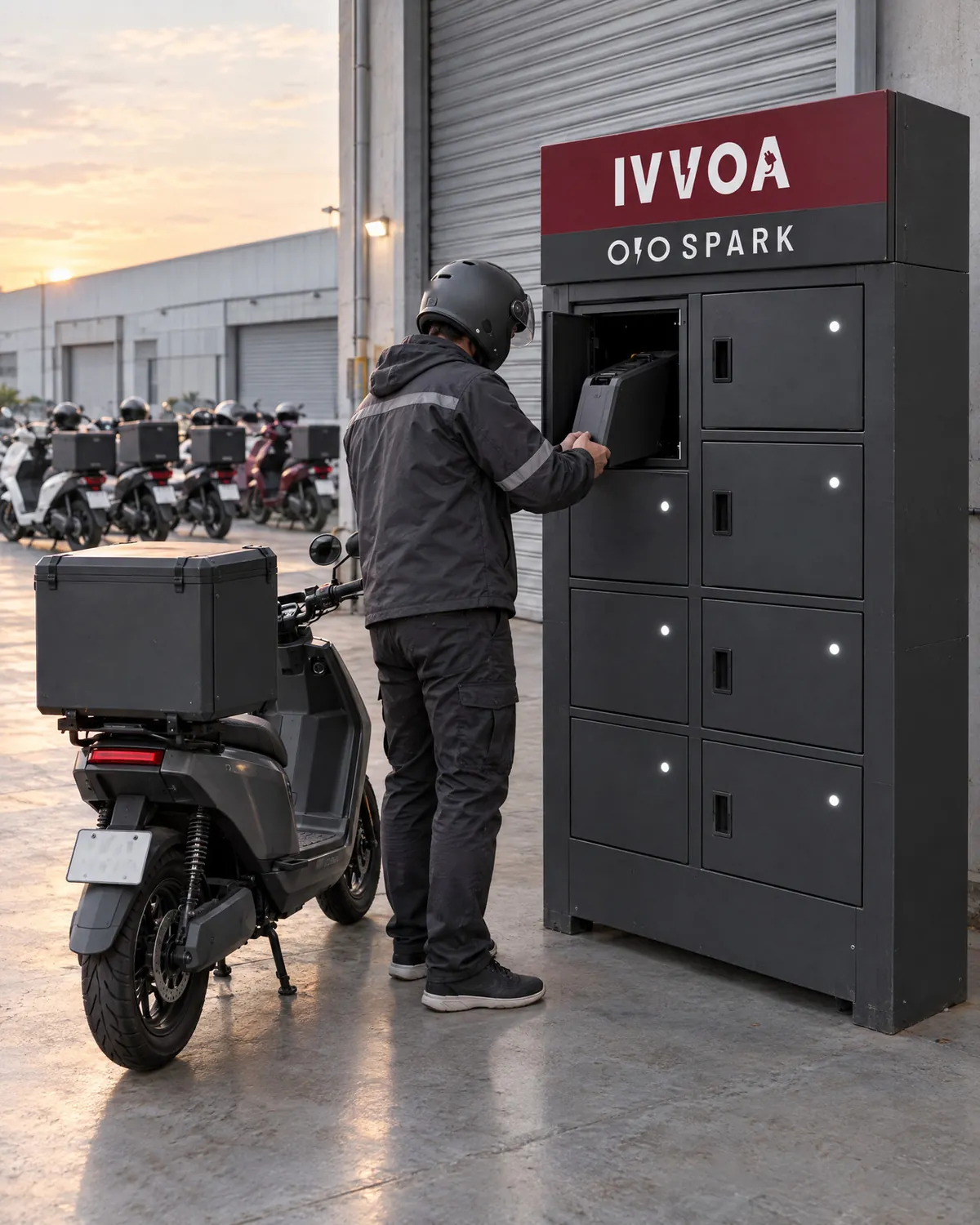
- A charged battery for a depleted one in about a minute, for courier and fleet riders, where a fleet shares one battery type. A later step, not a starting point.
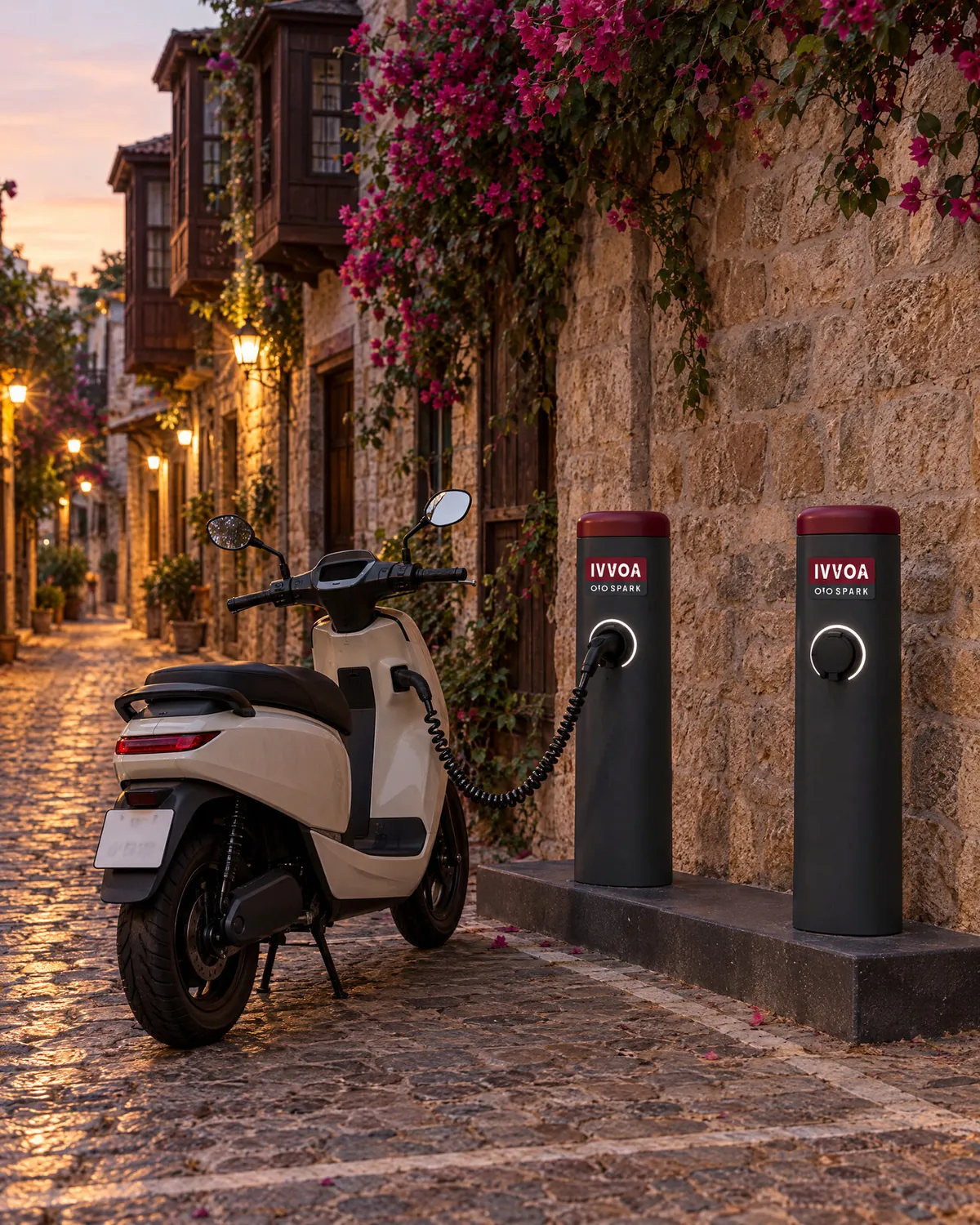
A cream moped at a Spark post in a stone lane. Small points with the same character as the larger chargers, at a human scale: graphite body, burgundy cap, vehicle pictograms on the sockets, never numbers.
Arrive, plug in, go.
01
Arrive
The app shows every Spark point nearby, its state and its rate.
02
Plug in
Lock the vehicle, connect, and start from the app or with a card.
03
Complimentary
Where screens and sponsors fund it, the allowance flows first, stated in kilowatt-hours. A time based offer would be worth very different amounts to a scooter and to a car; an energy based one is fair to both.
04
Paid
Beyond the allowance, the rate shown before the plug went in, priced for a small battery rather than borrowed from a car tariff.
05
Go
A receipt in the app and the session in the rider’s history. One account works across the whole network, two wheels or four.
Five riders, one network.
The courier
Charging time is lost earning time. Spark puts points and, in time, battery exchange where couriers already wait: kitchens, depots and delivery hubs, with fleet accounts for the operators who employ them.
The commuter
A moped or motorcycle that rests all day at work or at a transit stop can charge while it rests. Posts at workplaces, car parks and transit stops turn the working day into charging time.
The student
A campus is a small city with a settled population and long stays. Rails and docks on campus, often under solar, serve the students who ride today and show the next generation of riders what good charging looks like.
The resident
For people in apartment buildings, the safest place to charge is not the hallway. A dock in the building’s car park or a post at the street edge gives them one.
The visitor
Coastal towns rent scooters and mopeds by the day. Rails and docks at hotels, rental shops and promenades let a visitor ride all day without wondering where the next charge is.
Small batteries, taken seriously.
A two wheeler battery is small, but it is a lithium battery all the same, and many riders charge it in places that were never meant for it. In London, firefighters attended 206 fires involving electric bicycles and scooters in 2025, the highest number on record. Spark is specified to make the public point the safest place to charge: outdoor, ventilated locations; protection that cuts the power on a fault, in an enclosure built for sun, rain and salt air; locking points so that the vehicle and its battery stay put; thermal monitoring, fire suppression and independent inspection for exchange cabinets; clear vehicle pictograms on every socket; and a point that says so, on the point and in the app, when it is resting. Two wheeler charging has no agreed standard for site quality or safety in Türkiye yet. The IVVOA Institute intends to publish one, test it on Spark sites first, and offer it to anyone who builds charging for two wheelers.
Small points, the whole company behind them.
IVVOA Charge
ivvoa.com
Spark is one of the business units of the network. It operates on its own sites and inside other formats, at shopping centers, campuses, venues, car parks and residential sites, and keeps its own accounts wherever it sits.
IVVOA Tech
ivvoa.net
The app and the platform that find, start, meter and bill every Spark session; fleet accounts for operators; and, for exchange, the battery tracking and diagnostics that no other unit needs.
IVVOA Media
ivvoa.media
On public sites Spark carries the same media as everything around it, in the app and on site; inside a campus or a residential compound it carries information rather than advertising.
IVVOA Institute
ivvoa.org
Two wheeler charging is one of the questions where no authority has yet said what good looks like. The Institute’s work on site quality, battery safety and technician training applies to Spark first.
Türkiye first. Then the world that rides.
Antalya is a natural first city for two wheelers: 563,170 motorcycles, more than any province except Istanbul, and about 17.6 million visitors in 2025. From there Spark follows riders across the country, to Istanbul and İzmir, to the provinces where motorcycles outnumber cars, and to every region. And it travels further than any other part of the network. A Spark point costs a small fraction of a fast car charger, which means it can be built in cities and countries where a car network could never be financed, and where two wheelers already carry much of the daily work. The ambition is simple to state: the network people mean when they say two wheel charging in Türkiye, and the reference for it wherever IVVOA goes.
A promenade, a campus, a delivery hub, a car park?
Spark is the fastest IVVOA format to commission and the easiest to host in a corner of someone else’s site. Tell us where riders already stop.